 THE PHOENIX METHODStart Here
THE MONEY BLOCK · BY PHOENIX SEN
What If Your Relationship With Money Is Telling You Something You've Never Been Taught to Recognize?
You work hard. You pursue opportunities. You make progress.
But perhaps success brings pressure instead of peace. You question your value when it's time to be paid, or familiar financial situations seem to return.
What if the numbers are only part of the story?
In The Money Block, Phoenix Sen explores the relationship between money, identity, emotional responses, and subconscious patterns behind everyday decisions.
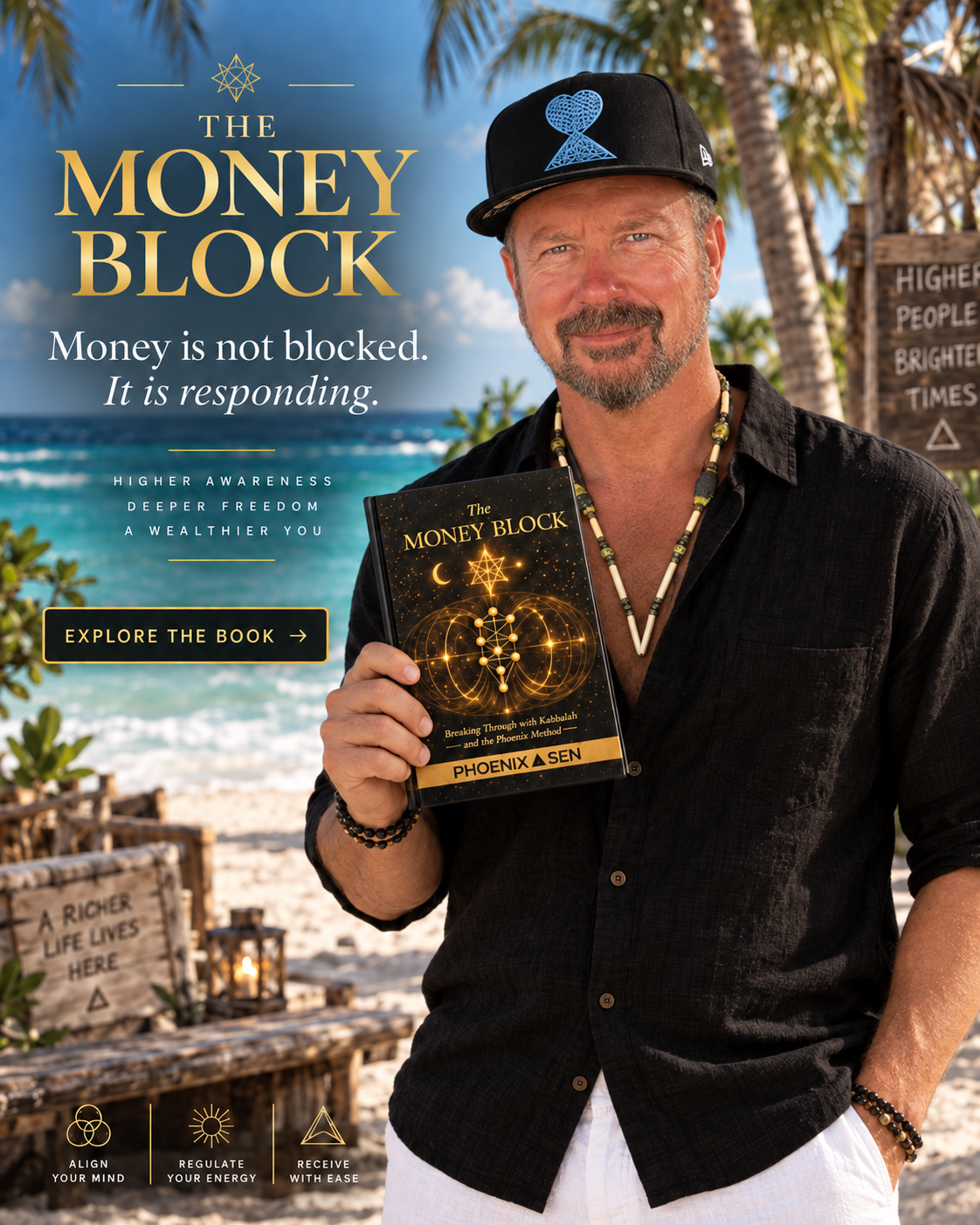
Money is not blocked. It is responding.
THE RECOGNITION
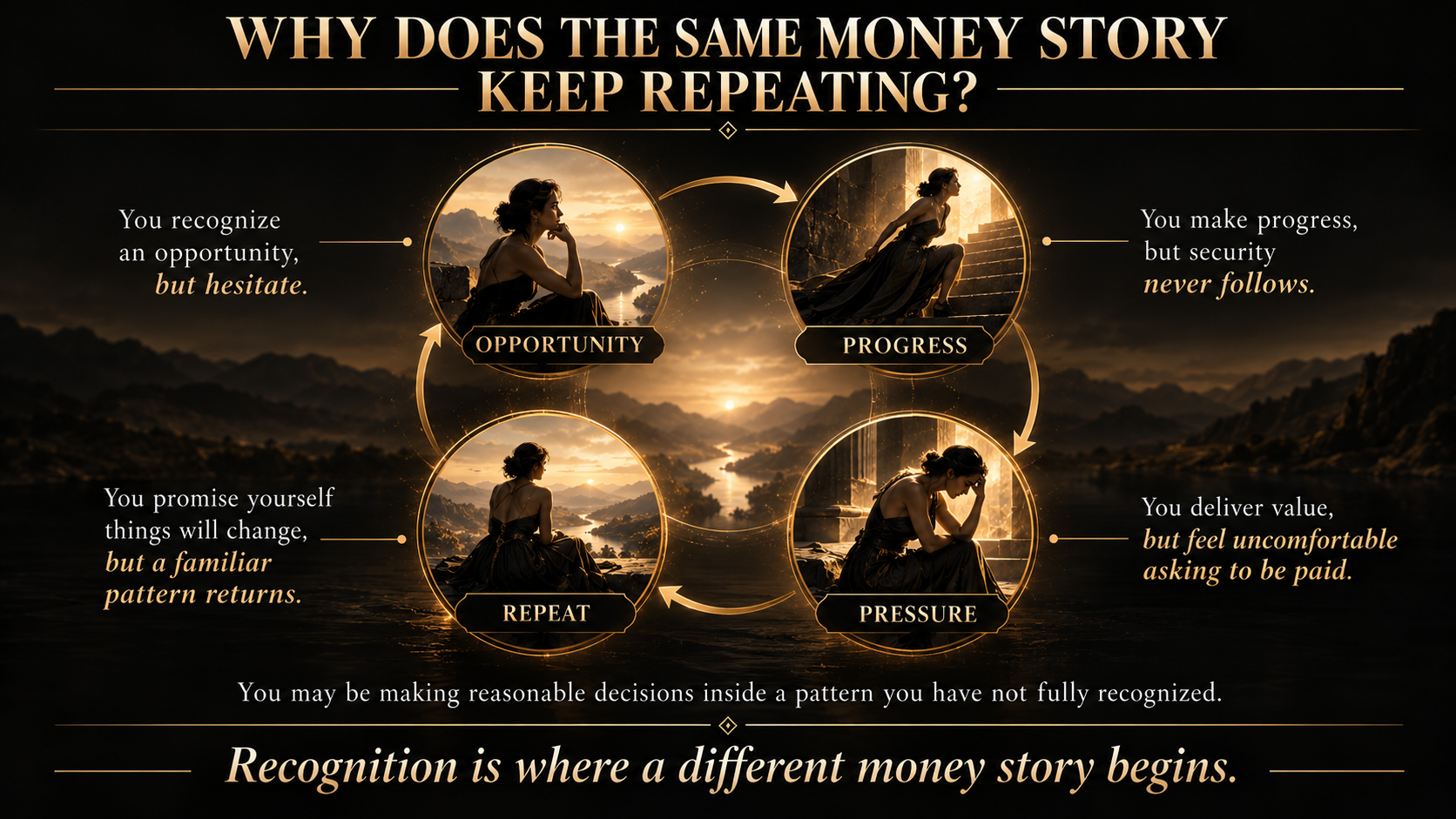
Why Does the Same Money Story Keep Repeating?
You finally reach a financial milestone. Instead of feeling secure, you worry about losing it.
You recognize an opportunity. But something makes you hesitate.
You deliver exceptional value. Yet asking to be paid appropriately feels uncomfortable.
You promise yourself things will be different next time. But a familiar situation produces a familiar reaction.
You may be making reasonable decisions within a pattern you haven't fully recognized.
The Money Block invites you to look beyond the numbers and consider how emotional reactions, beliefs, and identity can influence financial choices.
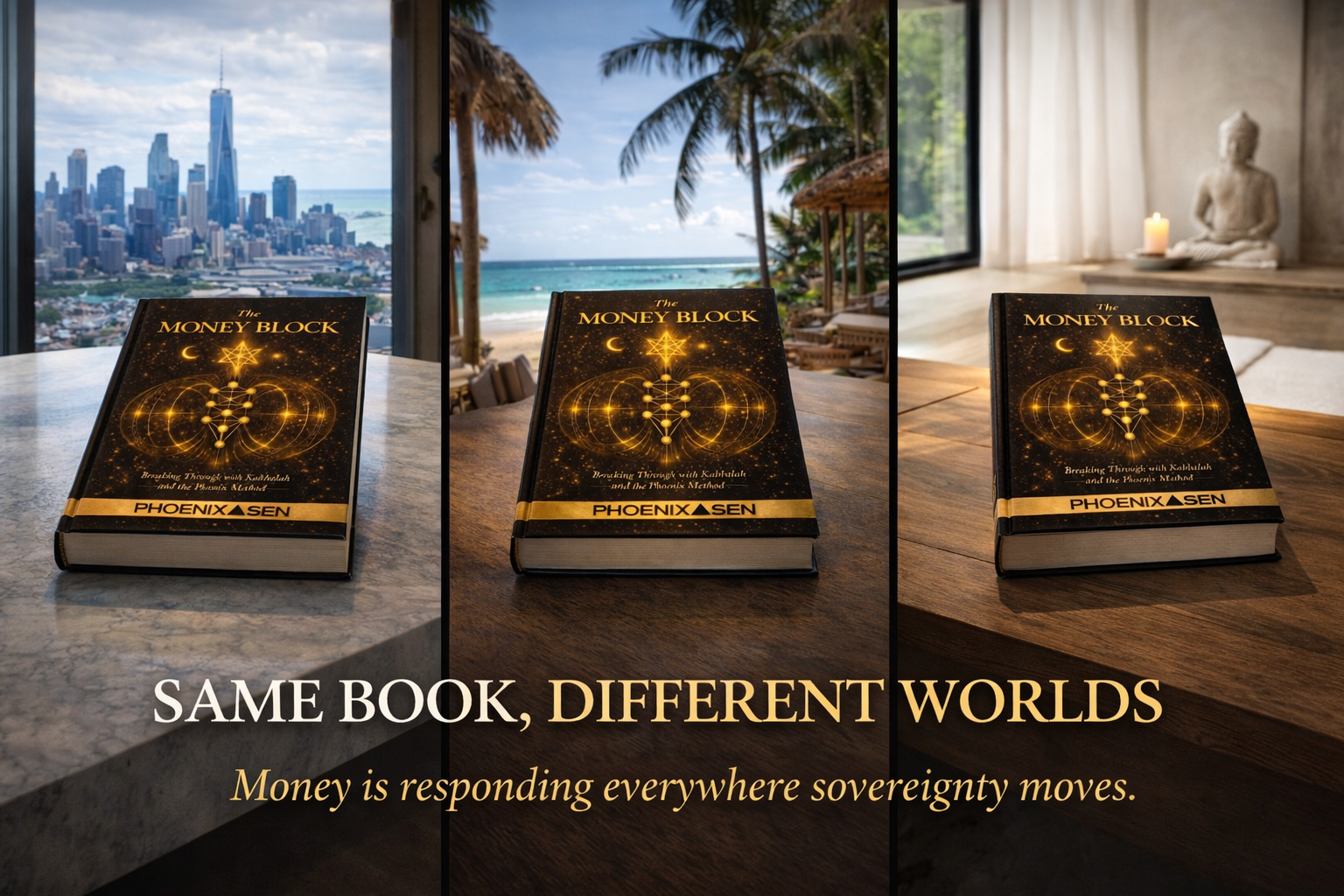
THE GOLDEN MONEY STORY CYCLE
Opportunity can lead to progress. Progress may bring pressure. Under pressure, familiar responses can return.
Recognizing a repeating pattern can create room to consider a different response.
THE PATTERN INTERRUPT
What If It Isn't a Block—But a Threshold?
What if a perceived obstacle is a point to understand before deciding how to move forward?
In The Money Block, Phoenix Sen uses the idea of a threshold to explore moments when identity, emotional readiness, or a sense of safety may feel challenged.
Money decisions are also shaped by practical circumstances, available resources, and opportunity. This perspective invites reflection without reducing every financial challenge to an inner belief.
The question shifts from “How do I push harder?” to “What might I be responding to?”
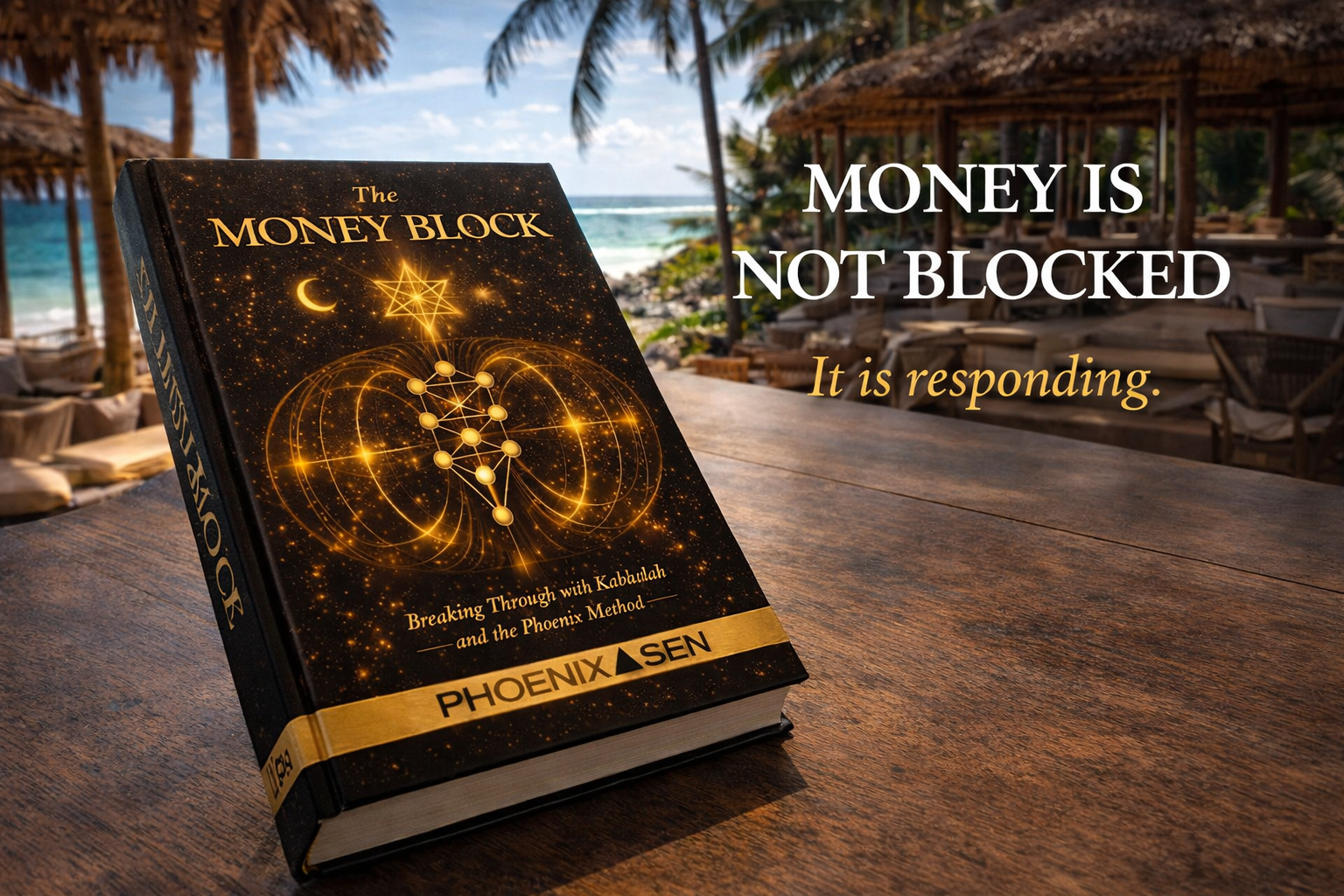
What if the problem is not a wall to break, but a threshold to understand?
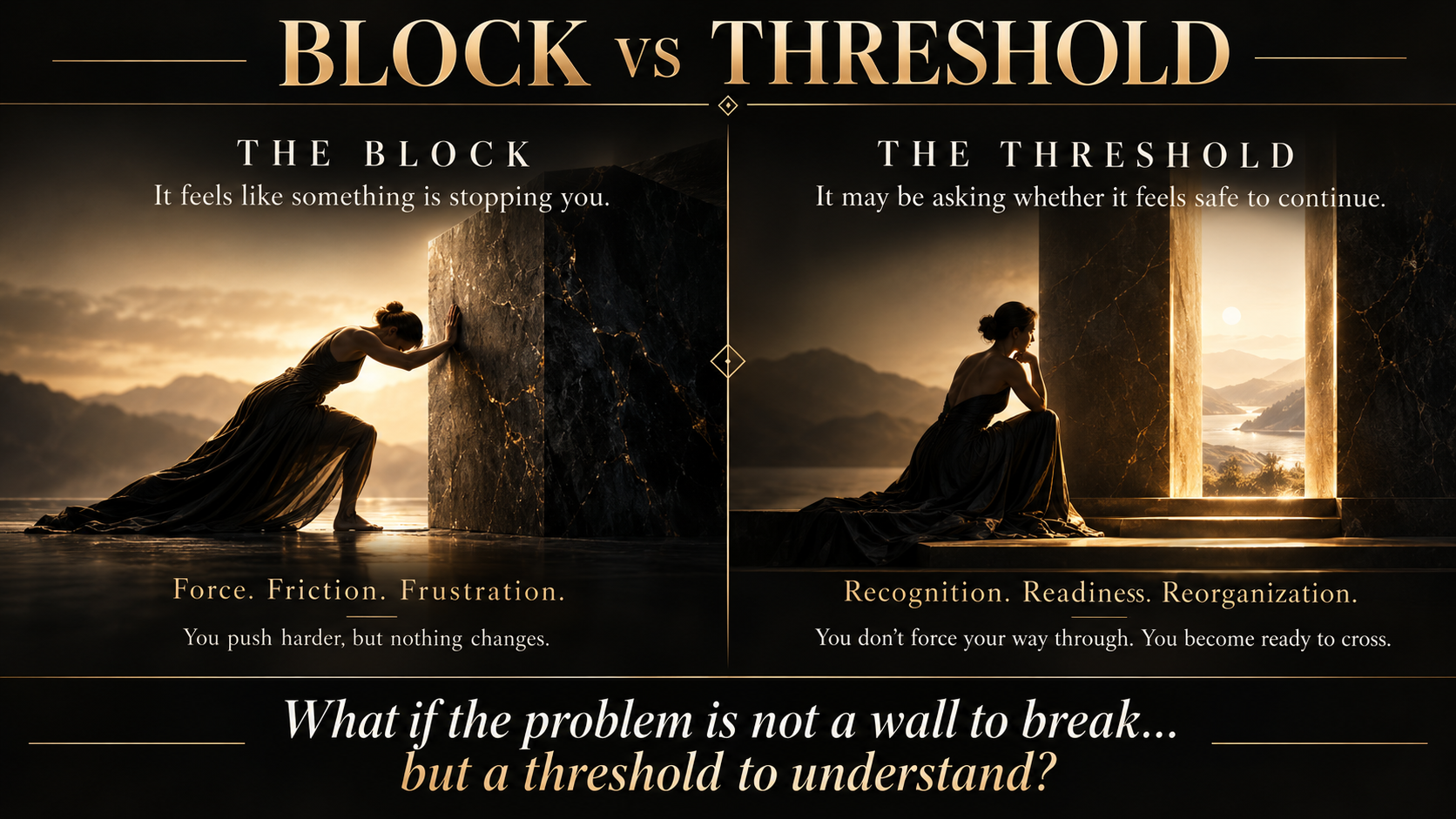
The book invites you to move from forcing change toward recognizing what the experience may be asking you to understand.
WHAT THE BOOK REVEALS
What Happens Between Receiving Money and Keeping It?
Seven recognizable questions open the door to the book’s Seven Gates of Money.
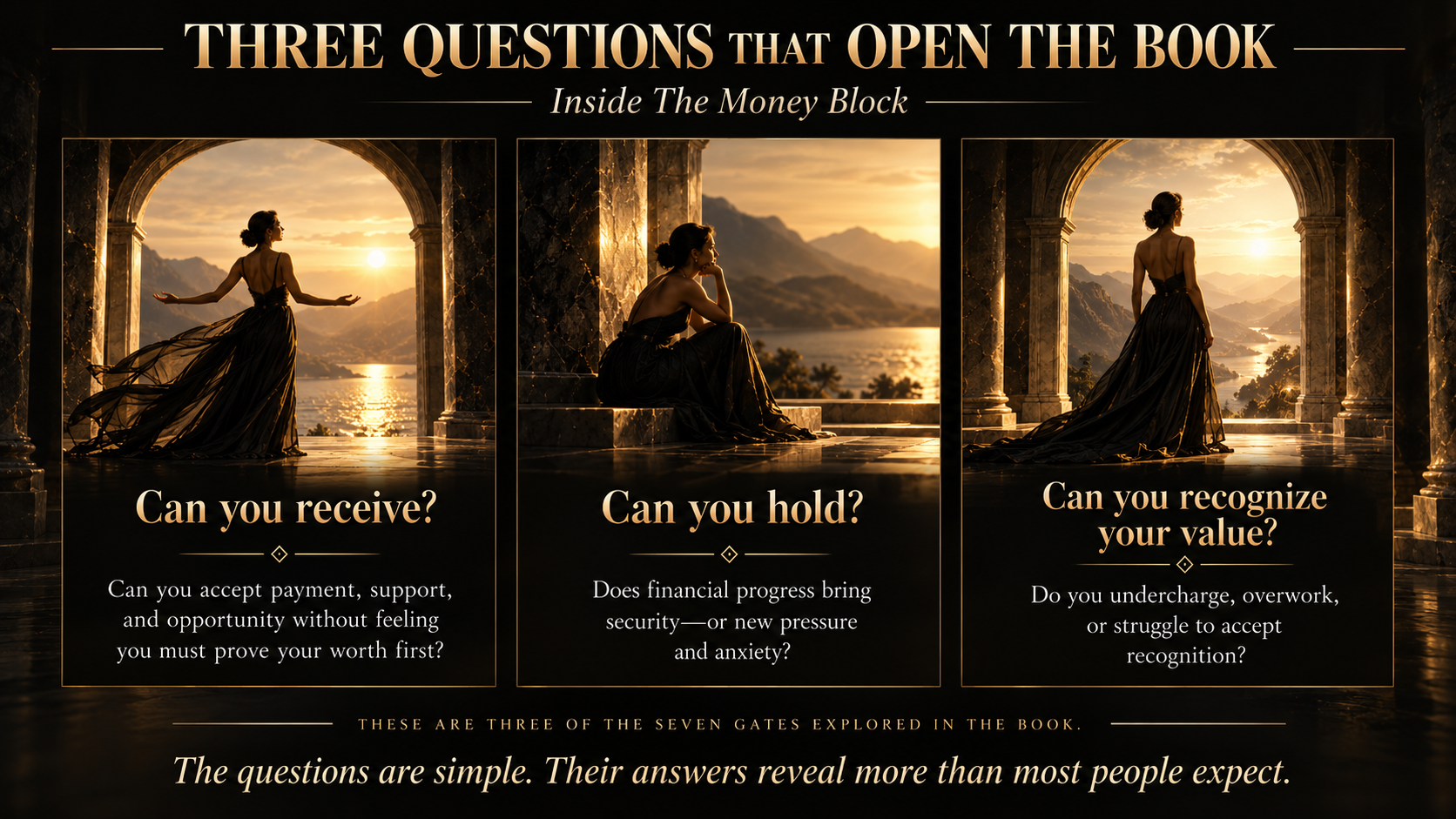
- Can you receive? Can you accept payment, support, and opportunity without feeling you must prove your worth first?
- Can you hold? Does financial progress bring security—or new pressure and anxiety?
- Can you recognize your value? Do you undercharge, overwork, or struggle to accept recognition?
The complete book explores four related capacities: continuing, adapting, trusting, and embodying success.
FROM THE MONEY BLOCK
TO COHERENCE.
Recognize the pattern. Change your relationship with money.
A DIFFERENT KIND OF MONEY BOOK
This Is Not Another Book Telling You to Think Rich.
The Money Block does not offer quick-wealth promises, financial speculation, or a simplistic formula.
It offers a reflective approach to money, self-worth, emotional patterns, personal capacity, and embodied awareness.
Drawing on Kabbalistic concepts and the Phoenix Method, the book invites readers to notice and examine patterns without promising a financial outcome.
Not another demand to become more. An invitation to understand what is already happening.
A FEW CLEAR QUESTIONS
About Money Beliefs and Repeating Patterns
What is a money block?
In The Money Block, it describes a perceived barrier in a person's relationship with money. The book reframes some such experiences as thresholds to understand; it does not claim that every financial problem has the same cause.
Why can financial patterns repeat?
Habits, emotional responses, beliefs, past experiences, available resources, opportunities, and broader circumstances can all play a part. The book offers a way to reflect on the personal patterns that may be involved.
Can subconscious beliefs influence financial decisions?
They may be one influence on choices such as asking to be paid, accepting support, or responding to uncertainty. They do not explain every outcome, and they do not replace practical financial, economic, or professional advice.
How is this different from conventional money-mindset books?
The book focuses on reflection around identity, emotional responses, self-worth, responsibility, and capacity. It does not promise quick wealth or offer investment instructions.
READ THE OPENING
Before You Buy, Enter the Book.
Discover the opening of The Money Block and experience Phoenix Sen's perspective on thresholds, emotional awareness, and our relationship with money.
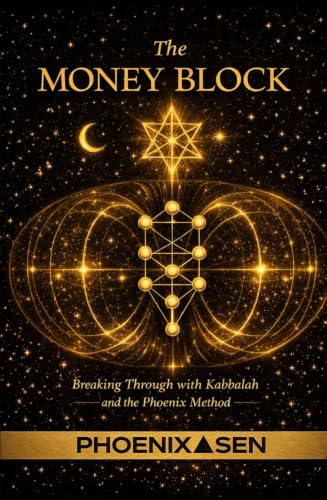
PROLOGUE · THRESHOLD
A threshold is not a block.
It is the point at which an old structure can no longer carry what is arriving.
THE MONEY BLOCK · PHOENIX SEN
Your Next Chapter Begins with a Different Question.
You don't need another promise of instant abundance.
You may need a new perspective on the patterns that keep showing up in your relationship with money.
The Money Block offers a thoughtful exploration of receiving, holding, valuing, and responding to life's financial experiences.
Money is not blocked. It is responding.
AN OPTIONAL NEXT STEP
The Book Opens the Conversation. Your Next Step Is Personal.
The Money Block is a complete reading experience in itself. If you want to explore your own patterns around receiving, self-worth, confidence, and money, Money Flo offers an optional Phoenix Method session.